
Due to a Shortage of Schools, russian Schoolchildren Study in Several Shifts
2/27/2026
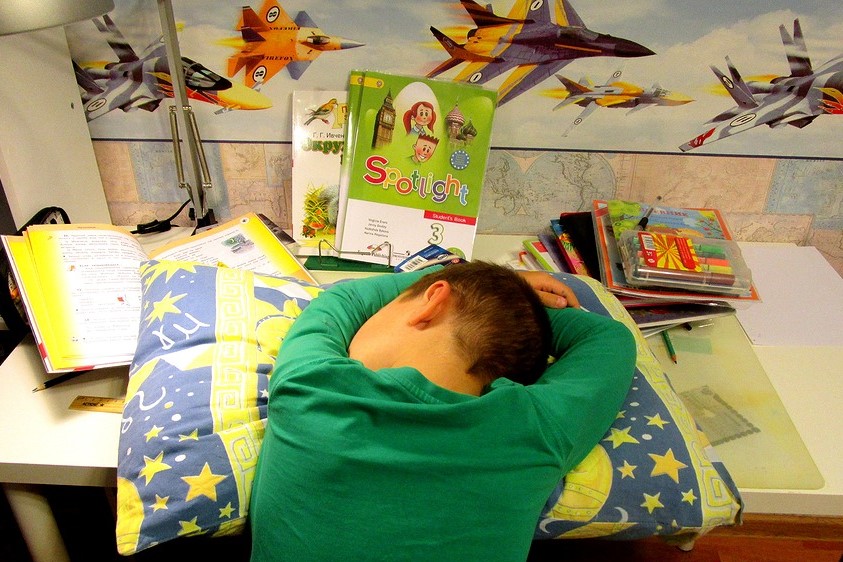
Despite the russian leadership’s loud statements and putin’s personal promises to eliminate two-shift schooling, the situation in the education system of the aggressor country is only getting worse. As of the 2025/26 school year, more than 2.5 million russian schoolchildren are forced to study in the second shift. Instead of the promised “breakthrough”, the proportion of such schoolchildren has increased from 13% to almost 16%, indicating a systemic collapse of infrastructure.
The situation is particularly critical for the youngest: every fifth pupil at primary school attends the second shift. Parents cite this schedule as one of the main problems after the low quality of teaching.
Experts acknowledge that there are no resources to remedy the situation. To resolve the problem, about 6,000 new schools need to be built, which is an impossible task given the budget deficit and huge war expenses. The new schools that occasionally appear usually only replace dilapidated buildings without resolving the problem of a shortage of places.
A separate example of russian manipulation of statistics was the so-called elimination of the third shift. In reality, it was not abolished, but simply disguised as a “one-and-a-half shift” format of education. Schoolchildren begin classes in between the main streams, which creates chaos in institutions that de facto continue to operate in three shifts, despite reports of “success”.
The geography of educational degradation is striking: in 25 regions of the rf, a quarter of urban children study in the evening. In tuva, this figure reaches 49%, in dagestan and altai – about 40%. In tyumen region, the number of children in the second shift has almost doubled in recent years.
The russian education system has found itself in a vicious circle: outdated facilities, population outflow from villages to cities, and the priority of militarization over the social sphere have made modern education in the rf inaccessible to millions of children. Regional budgets are unable to stop the decline, while the central government continues to feed citizens illusory plans that have no financial basis.