
Focus on Domestic Production: India Is Preparing a Large-Scale Exploration Program
2/7/2026
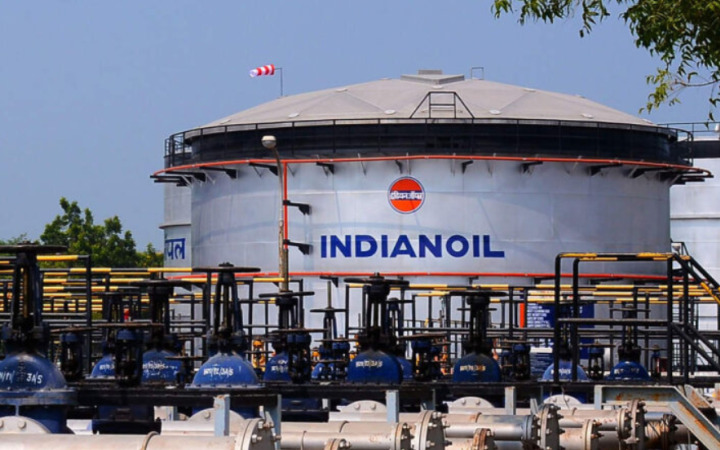
The government of India has announced plans to invest up to $100 billion in domestic exploration and increase oil refining capacity to 6 million barrels per day by 2030. The initiative aims to strengthen the country’s energy security and reduce its dependence on imports, which currently cover 85-88% of domestic oil consumption.
India’s energy balance remains structurally unbalanced: with production of about 0.55-0.6 million barrels per day (bpd), domestic demand exceeds 5 million bpd, which means that domestic resources meet less than 12% of needs. Under these circumstances, the country’s oil industry is focused on a large refining hub model, with state-owned and private refineries earning money by refining relatively cheap imported oil and then re-exporting petroleum products.
After 2023, India had been actively purchasing russian oil at a discount, which ensured record refining profitability and supported high GDP growth rates of around 7%.
The strategy for expanding the domestic resource base involves opening up for geological exploration approximately 1 million km² of territory previously restricted for commercial exploration, including certain marine areas and border regions. There are also plans to develop the deepwater shelf, primarily in the Krishna-Godavari basin and near the Andaman Islands, which requires drilling at depths of over 1,000–1,500 m and involves high technological risks. A separate area of focus is the development of shale and tight deposits in partially explored basins, particularly in the state of Rajasthan.
Western experts point out that even if these programs are successful, domestic production will not be able to significantly replace imports and will instead serve as a limited “safety cushion”. The higher cost of Indian oil, the long cycle of field development (7–12 years), and rapid growth in demand mean that the country will remain critically dependent on imports for the next 5–7 years.