
Through the Themes of AI, Biothreats, and Cyber Operations, the kremlin Is Trying to Save What Remains of Its Influence in the “Eurasian Balkans”
6/1/2026
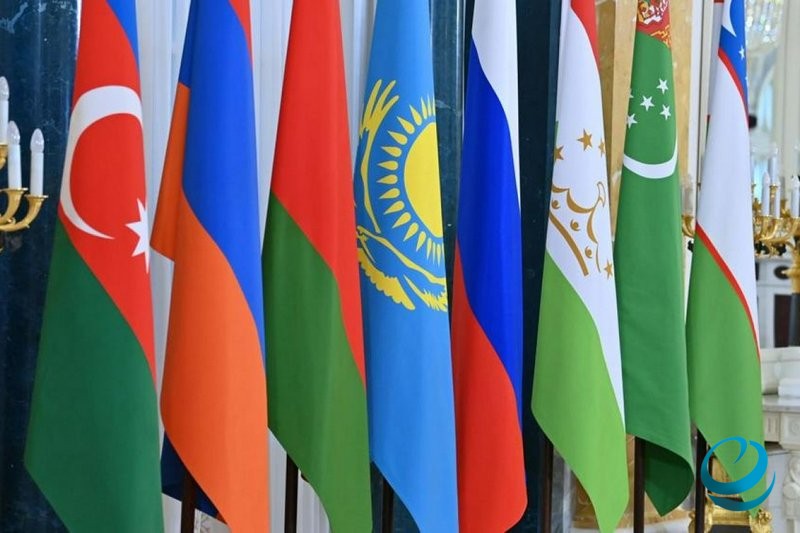
At the 58th meeting of the council of heads of security and special services of the cis member states, russia returned to its traditional tactic of creating the image of a common external enemy. The event was attended by delegations from Azerbaijan, Armenia, belarus, Kazakhstan, Kyrgyzstan, the rf, Tajikistan, and Uzbekistan, as well as representatives of the cis anti-terrorism center and the cis executive committee. Representatives of the foreign intelligence services of Azerbaijan and russia were also present as observers.
In his speeches, director of the fsb aleksandr bortnikov repeatedly attempted to push the narrative that the level of threats to member states is rising, citing russia’s war against Ukraine, the situation in the Persian Gulf and Afghanistan, as well as global migration trends. It is clear that moscow seeks to compel participants to unite around common challenges, positioning itself as the principal “flagship” and defender.
In particular, bortnikov repeated propaganda claims that Ukraine had allegedly turned into a “testing ground for technology” and a hub for arms smuggling in Europe. Separate remarks touched upon old themes regarding the West’s use of “digital laboratories” to influence public moods in cis countries, the deterioration of the regional and international security environment in the region, and other familiar slogans.
The reaction of the leaders of the participating countries to the rf’s statements is still being assessed, but it is clear that russia is frantically trying to save what remains of its former influence in those independent states. Having come up with nothing new, the kremlin is resorting to tried-and-true methods of intimidation. At the same time, nearly all participants in the meeting, with the exception of belarus, understood the unreliability and destructiveness of the rf as a strategic security partner. Through the themes of AI, bio-threats, and cyber operations, moscow is promoting the idea of preventive control over the information environment, civilian communications, and cross-border networks. For cis countries, this creates the risk of importing russian repressive practices and broadening the interpretation of “extremism” to include political, civic, or media activity.