
Tokyo Selling Warships Abroad for the First Time
4/20/2026
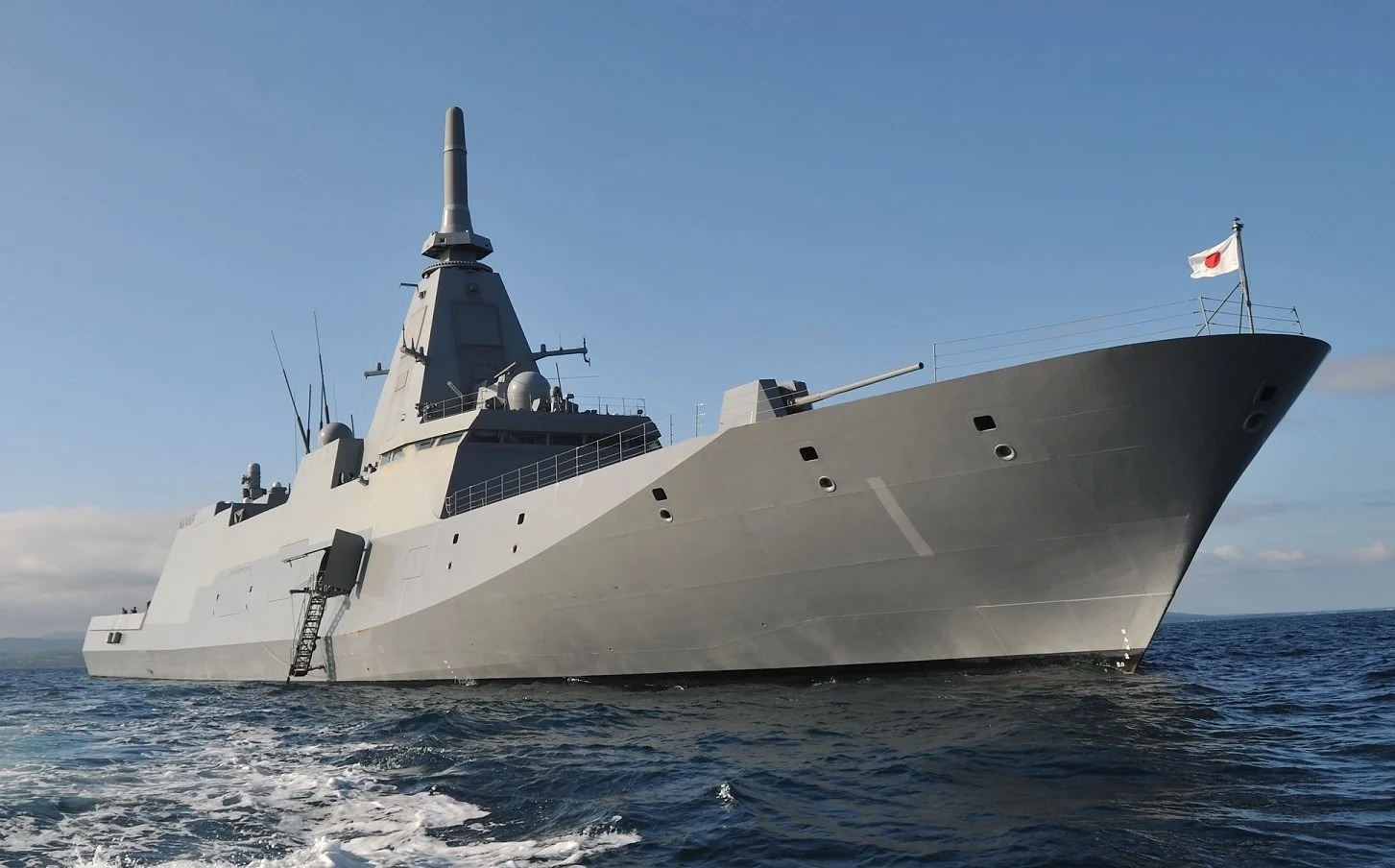
Australia and Japan have signed an agreement for the purchase of three Mogami-class frigates manufactured by Mitsubishi Heavy Industries, worth approximately $6.5 billion. The signing ceremony took place in Melbourne between Minister of Defence of Australia Richard Marles and his Japanese counterpart Shin Koizumi.
This is not just another defense contract. For Japan, the deal marks the first overseas sale of a full-fledged warship – an event that would have been unthinkable just a decade ago. After World War II, Tokyo adhered to strict restrictions on arms exports for years. In 2014, the government partially eased those rules, but de facto limited itself to supplying components and non-lethal equipment. The agreement with Australia represents a qualitative leap.
According to preliminary estimates, the first Japanese-built ship will be delivered in 2029 and commissioned in 2030. The third frigate is scheduled for delivery in 2034. In total, the General Purpose Frigate program calls for the acquisition of 11 ships – three to be built by Japan and eight – by Australian shipyards. All of them will gradually replace the aging Anzac-class frigates, which currently form the backbone of the Royal Australian Navy’s surface fleet.
The government of Japan is already considering further revisions to its export regulations, which will open the market to new buyers. Potential buyers include the Armed Forces of Poland and the Philippine Navy.
The diplomatic dimension of the agreement is no less significant. In late April, Prime Minister of Japan Sanae Takaichi intends to visit Australia. The talks are expected to cover the diversification of rare earth element supplies, reducing dependence on China, and coordination on maritime security, particularly in the Strait of Hormuz.
In a broader context, the agreement reflects the gradual transformation of the Indo-Pacific region’s security architecture amid China’s growing military capabilities. For Tokyo, arms exports are becoming a tool for deepening strategic partnerships and developing its own defense-industrial base. For Canberra, cooperation with Japan is part of a broader strategy to diversify military-technical cooperation.