
India Has Appointed A New Counterintelligence Chief with Experience in moscow
7/9/2026
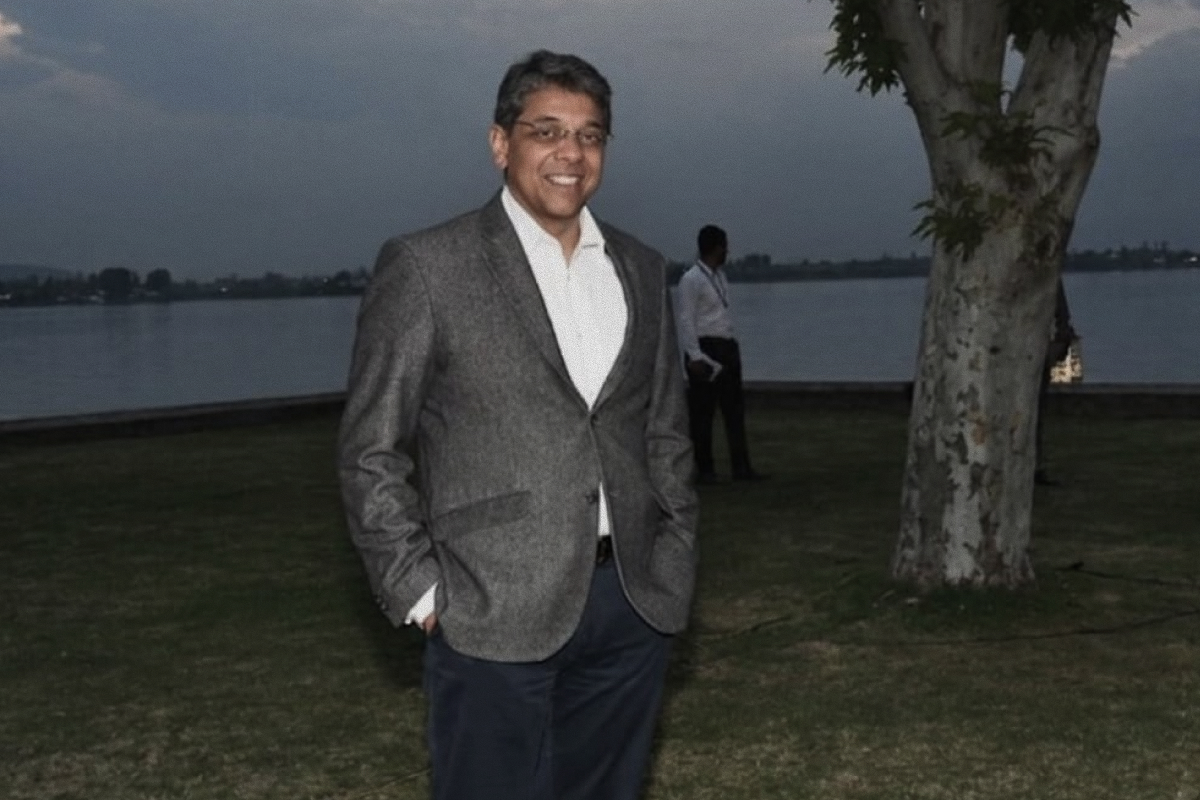
Mahesh Dixit, the agency’s first deputy director, has been appointed to lead India’s Intelligence Bureau, the country’s oldest secret service. The decision to appoint him for a two-year term was made by the Appointments Committee of the Cabinet (ACC), chaired by Prime Minister Narendra Modi. Formally, the rotation appears to be routine, but it reflects the Indian government’s growing focus on internal security, counterterrorism, and technological modernization of the special service.
The Bureau is responsible for collecting domestic information, counterintelligence, and counterterrorism.
Dixit, born in 1967, is a medical doctor by training but has built his career in law enforcement. From 1993 through 1999, he served in the Indian Police Service, and since 1999, he has worked for over 20 years at the Intelligence Bureau in the areas of operations, counterintelligence, and counterterrorism. A notable part of his career was a long-term overseas assignment as part of India’s diplomatic mission in moscow.
Experts cite several reasons for his appointment. First – his experience in crisis management in unstable regions: Dixit headed the Bureau’s unit in Jammu and Kashmir and coordinated security measures during the change in the region’s administrative and legal status in August 2019. Second – expertise in countering international terrorism: he was directly responsible for the Bureau’s counterterrorism efforts and strategic operations. Third – the need for technological modernization of the agency: Dixit is regarded as a systems manager capable of strengthening the Bureau’s cybersecurity and analytical capabilities.
India also hopes to leverage the new Director’s familiarity with how moscow’s institutions operate to engage in more pragmatic cooperation with the kremlin, particularly as moscow grows ever closer to Beijing. russia remains a partner for New Delhi in energy and security, but its growing dependence on China poses additional risks to India’s interests.
Dixit’s time in moscow gave him an inside understanding of how russian diplomatic and security institutions operate – knowledge that is now becoming a tool for assessing the kremlin’s intentions and the implications of the russian-Chinese rapprochement for South and Central Asia.